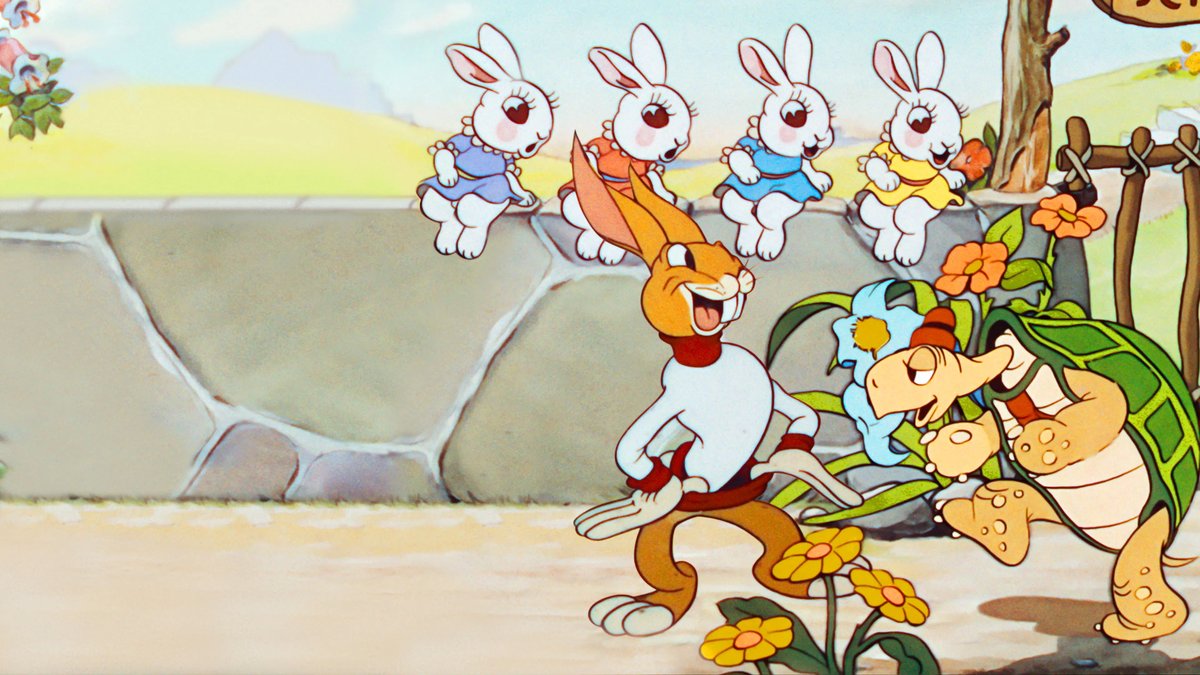
The story of the Tortoise and the Hare is more than just a children's fable; it's a timeless blueprint for success, deeply embedded in our collective consciousness. This ancient tale, passed down through generations, beautifully illustrates a profound truth: raw talent and initial speed mean little without consistent effort and genuine humility. It's a powerful reminder that our greatest victories often stem from quiet determination, rather than flashy sprints.
For centuries, "The Tortoise and the Hare" has served as a cautionary tale against arrogance and a celebration of perseverance. From ancient philosophical paradoxes to modern algorithms, its core lesson resonates across disciplines. Today, in a world obsessed with instant gratification and rapid results, its wisdom is more relevant than ever, offering a clear path to achieving meaningful, lasting success.
The Unfolding Race: A Masterclass in Mindset
At its heart, the fable is a simple race between two vastly different competitors: the swift, boastful Hare and the slow, unassuming Tortoise. The Hare, confident in his natural speed, mocks the Tortoise's plodding pace, setting the stage for a challenge he believes is a guaranteed win. What unfolds, however, is a masterclass in contrasting mindsets. The Hare's arrogance leads to complacency, prompting him to take a nap mid-race. Meanwhile, the Tortoise, fully aware of his limitations, simply keeps moving, one steady step after another, never stopping, never doubting.
His quiet persistence eventually leads him past the sleeping Hare and across the finish line, securing a victory that shocks everyone – except perhaps the Tortoise himself. This isn't just about winning a race; it's about understanding how The Power of Consistent Effort can ultimately outshine sporadic bursts of brilliance. It's a foundational truth for building anything worthwhile, from personal skills to grand projects.
Beyond the Finish Line: Modern Applications of Ancient Wisdom
The profound lessons embedded in this simple narrative extend far beyond the racetrack. They offer crucial insights into personal development, professional strategy, and even our approach to life's biggest challenges.
Mastering Your Pace: The Art of Sustainable Progress
The Hare's biggest mistake wasn't his speed; it was his inability to maintain a strategic pace. His overconfidence led to a complete halt, demonstrating that even the fastest individual can fail if they don't manage their energy and focus. In our own lives, we often push ourselves to extremes, only to crash and burn.
Learning to pace yourself, understanding your limits, and building a rhythm that you can sustain over time is crucial. If you're looking to establish enduring routines and avoid the pitfalls of hurried starts and abrupt stops, you'll find immense value in learning how to Unlock sustainable workflows. This isn't about being slow; it's about being smart and consistent.
The Peril of Procrastination and Distraction
The Hare's nap wasn't just a rest; it was a moment of vulnerability born from complacency and distraction. He lost sight of his goal, convinced victory was inevitable. How often do we, too, get sidetracked by lesser priorities, succumb to procrastination, or allow distractions to derail our progress?
The Tortoise's unwavering focus, despite his slow speed, highlights the importance of staying committed to the task at hand. If you struggle with losing momentum or getting pulled away from your most important work, discovering strategies for Overcoming Procrastination & Distractions is your next essential step. It's about cultivating the Tortoise's singular determination.
The Long View: Choosing Lasting Goals Over Fleeting Wins
The Hare ran for the immediate thrill of the race, confident in a quick victory. The Tortoise, however, ran for the finish line, understanding that true success is a marathon, not a sprint. This fable is a powerful reminder to question whether we're chasing fleeting successes or building towards something more substantial.
Focusing on immediate gratification can often lead us astray from our most meaningful aspirations. Instead, we should embrace the Tortoise's long-term perspective. For guidance on defining and pursuing objectives that truly stand the test of time, you'll want to Choose lasting goals, avoid quick wins. This approach fosters resilience and ensures that your efforts accumulate into significant achievements.
Building Resilience: Sidestepping Burnout and Overwhelm
The Hare's abrupt stop underscores the dangers of an unsustainable approach, even for those with incredible natural advantages. Pushing ourselves relentlessly without adequate rest or a sustainable strategy often leads to burnout and overwhelm, jeopardizing our long-term effectiveness.
The Tortoise, by contrast, demonstrates a remarkable form of resilience, steadily progressing without ever reaching a point of exhaustion or giving up. This mindful approach to effort protects against the very issues that often plague high-achievers. To safeguard your energy and maintain consistent output without succumbing to fatigue, exploring methods for Avoiding Productivity Burnout & Overwhelm is vital for your sustained success.
Your Journey to Steadfast Success
"The Tortoise and the Hare" isn't just a story; it's a profound teaching on the human condition. It invites us to reflect on our own approaches to challenges, our internal narratives, and the habits we cultivate. Are we the Hare, relying on raw talent and prone to complacency? Or are we the Tortoise, embracing steady effort, unwavering focus, and the quiet power of perseverance?
The path to achieving your goals isn't always the fastest, but it's almost always the steadiest. By internalizing the lessons of this timeless fable, you can cultivate the mindset and habits that lead to genuine, lasting success in every aspect of your life. Embrace the Tortoise's wisdom, and watch how consistent effort, strategic pacing, and unwavering focus transform your potential into profound achievement.